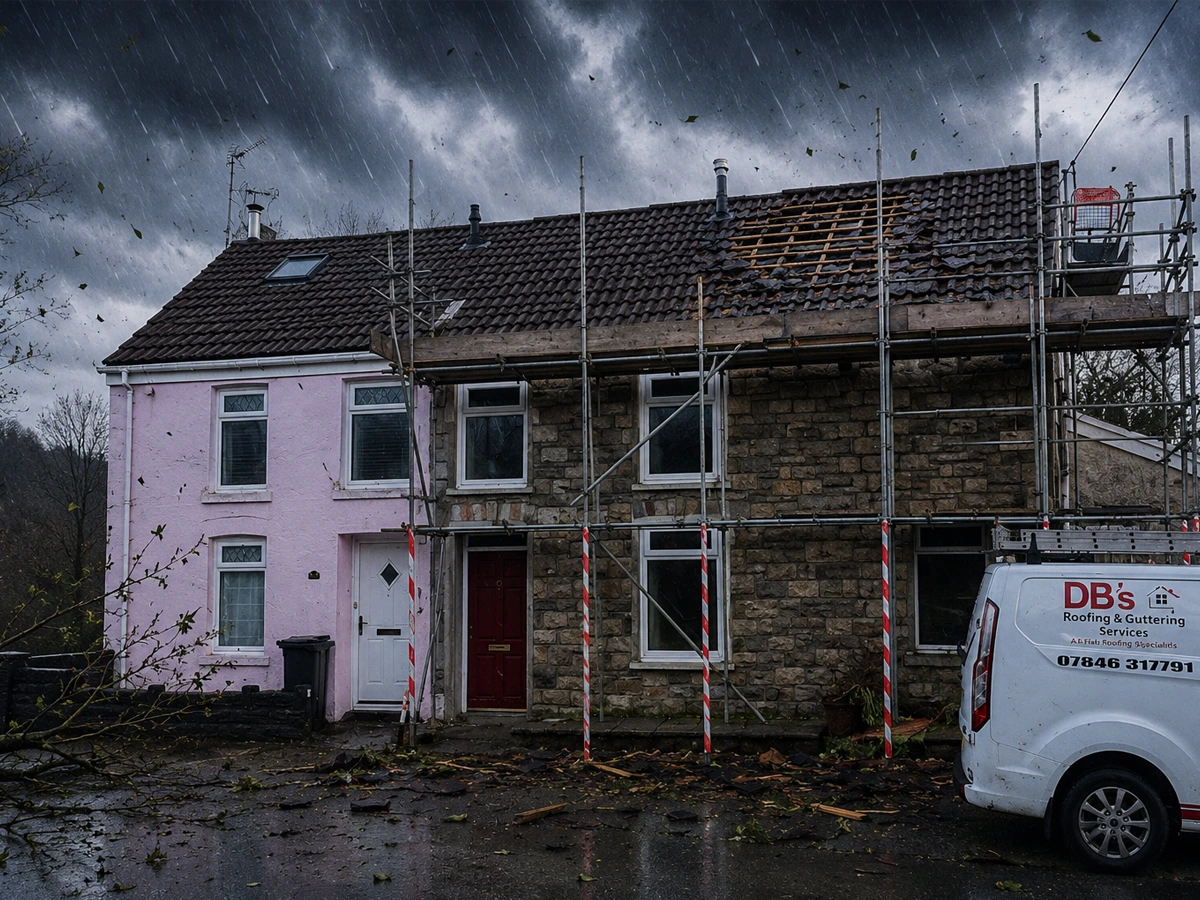
Storm damage is a growing concern for homeowners and property managers in South Wales.
Frequent coastal winds, heavy rainfall, and unpredictable weather often make roofs the first part of a property to sustain damage. Issues such as slipped tiles, damaged flashing, leaks, and structural problems can escalate rapidly if not addressed promptly.
Understanding how storms affect roofs is essential for protecting homes, avoiding costly repairs, and preserving property value in South Wales. Recognising warning signs after high winds or before severe weather can help prevent further damage.
At DB’s Roofing, storm-related repairs are among the most frequent service requests. Strong Atlantic weather systems and exposed locations in South Wales subject roofs to demanding conditions, and even well-built roofs can deteriorate over time.
Why Storm Damage Is a Growing Problem for Roofs in South Wales
South Wales faces a unique mix of weather conditions that put significant pressure on roofing systems. Coastal exposure, persistent rainfall, strong winds, and winter storms all contribute to roof deterioration.
Weather reports show an increase in named storms, with gusts over 70mph in some Welsh regions. These conditions can loosen tiles, damage guttering, lift flat roofing membranes, and expose vulnerable roof areas.
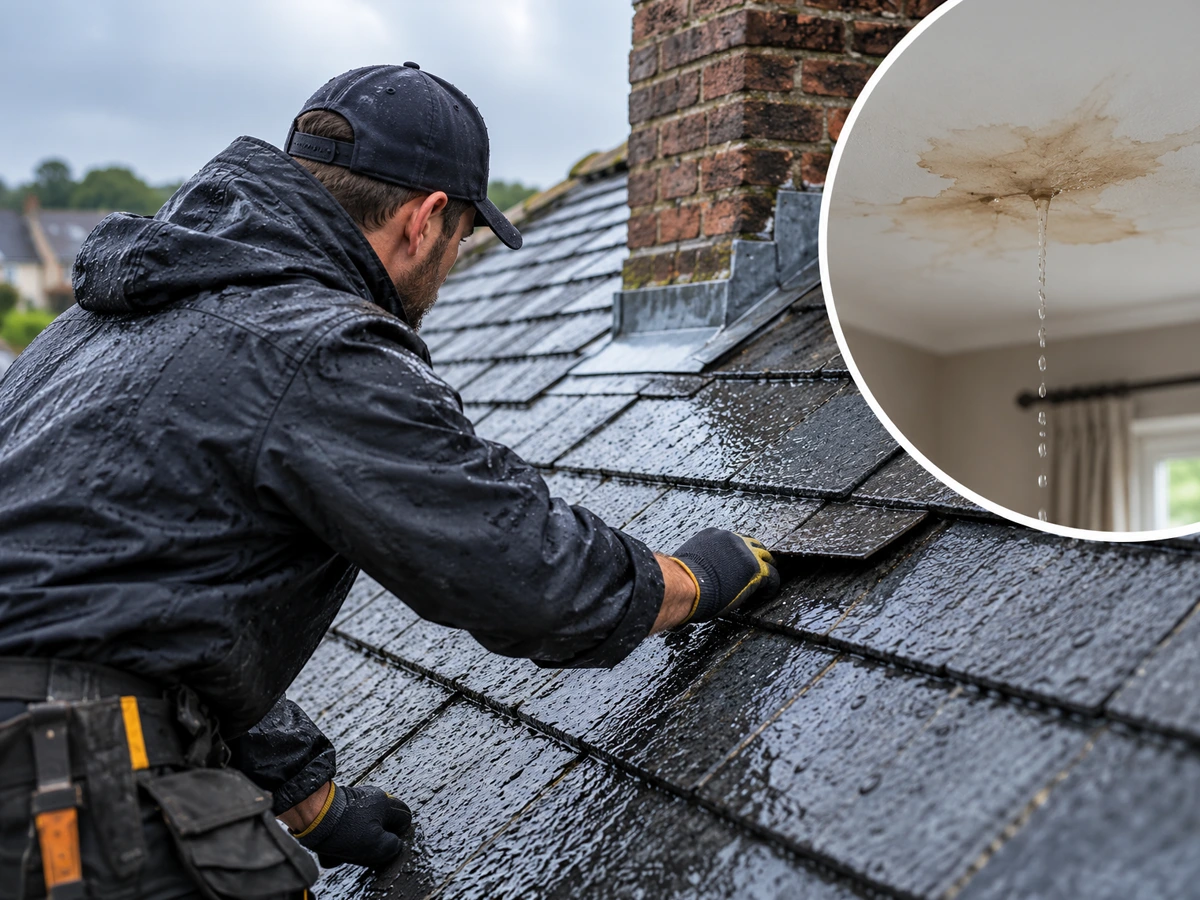
Even minor storm damage can cause serious problems if water enters the property. A small cracked tile may seem insignificant, but after several days of rain, it can lead to damp insulation, stained ceilings, mould, and timber rot.
Roofs often fail without warning, typically during severe weather rather than at a convenient time.
Common Causes of Storm Damage to Roofs
Several weather-related factors contribute to roofing damage across South Wales:
- High winds lifting or dislodging tiles
- Heavy rainfall exposes weak points
- Fallen branches and debris impact
- Blocked or overflowing gutters
- Ageing roofing materials deteriorate under pressure
- Flashing failure around chimneys and roof valleys
- Water pooling on flat roofs
Properties in elevated or exposed areas are especially vulnerable to repeated wind stress, which can gradually weaken roofing materials.
If your roof has experienced severe weather, schedule a professional inspection to identify hidden damage before it worsens.
How High Winds Affect Roofs
Wind damage is one of the most common roofing issues seen after storms in South Wales.
Strong gusts create uplift pressure, which can loosen tiles, ridge caps, and roofing felt.
Once one tile slips or cracks, surrounding tiles often become vulnerable. Wind can then enter beneath the roofing structure, further lifting and destabilising it.
Signs of Wind Damage
After severe weather, homeowners should look out for:
- Missing or slipped roof tiles
- Debris around the property
- Loose ridge tiles
- Visible gaps in the roofline
- Water stains are appearing indoors
- Whistling sounds in loft spaces
- Damaged soffits or fascias
Some damage is immediately visible, while other issues may develop gradually in the weeks after a storm.
Professional roof inspections are important after strong winds, as some damage may not be visible from the ground.
The Impact of Heavy Rainfall on Roofs
South Wales is no stranger to heavy rainfall, and prolonged wet weather can place enormous pressure on roofing systems.
When roofs are already weakened by age or storm exposure, water infiltration becomes far more likely.
How Water Damage Develops
Water entering through damaged roofing materials can affect multiple areas of a property, including:
- Loft insulation
- Ceiling plaster
- Internal walls
- Roof timbers
- Electrical systems
Persistent moisture can lead to mould growth and damp issues, especially in poorly ventilated areas.
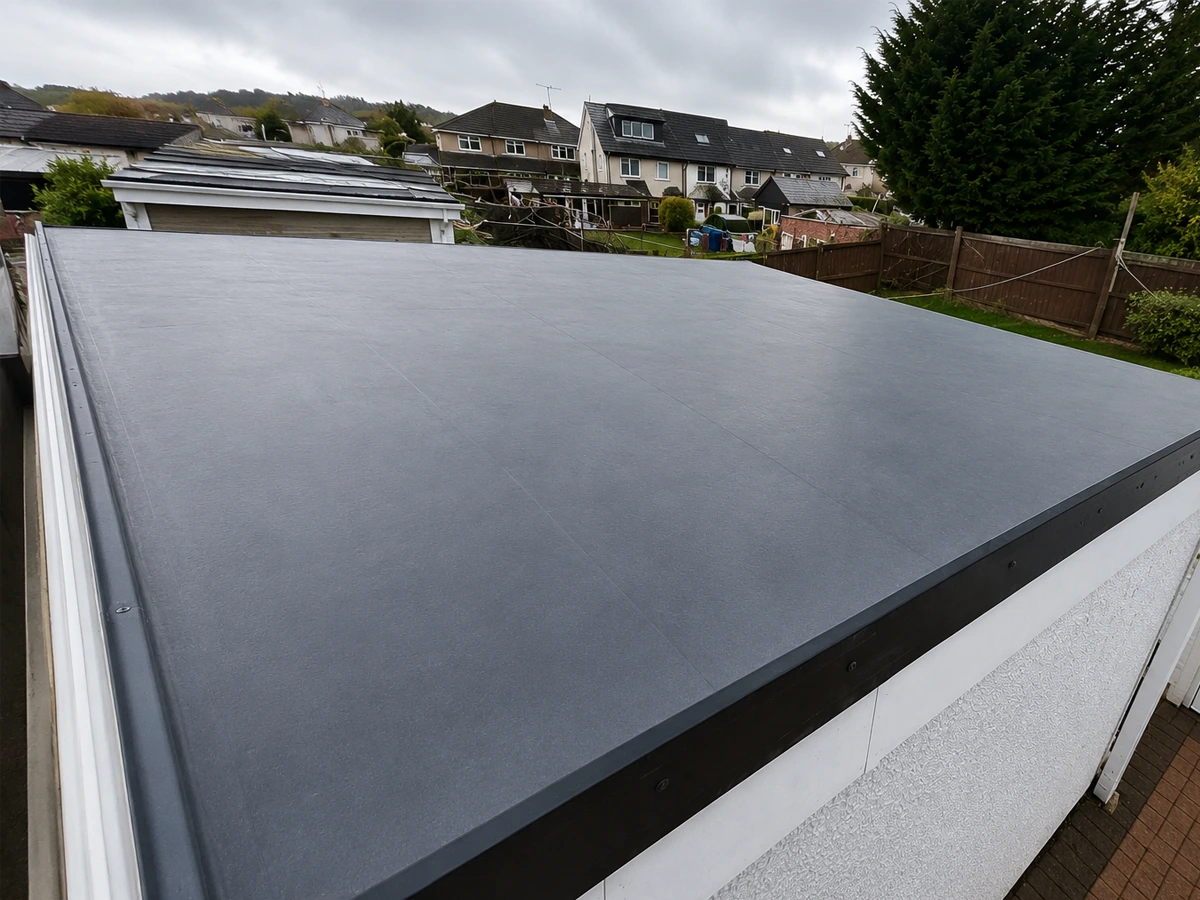
Flat roofs are particularly susceptible to water pooling if drainage systems are blocked or damaged during storms.
Guttering Problems During Storms
Storm damage often affects more than just the roof covering. Gutters, downpipes, fascias, and soffits are also vulnerable during severe weather.
Overflowing gutters may indicate:
- Blockages caused by debris
- Detached gutter brackets
- Cracked guttering sections
- Poor drainage flow
If water cannot drain properly, it may run down external walls or back up beneath roofing materials.
Year-round gutter maintenance can significantly reduce storm-related roofing problems.
Regular roof and gutter maintenance reduces the likelihood of emergency repairs during severe weather.
Why Older Roofs Are More Vulnerable to Storm Damage
Older roofs are more susceptible to storm-related problems. Over time, roofing materials weaken from repeated exposure to UV rays, temperature changes, moisture, and wind.
In many South Wales properties, older roofs may already contain minor weaknesses that become exposed during storms.
Common Age-Related Roofing Issues
Older roofs often experience:
- Brittle or cracked tiles
- Worn mortar on ridge tiles
- Corroded flashing
- Sagging roof structures
- Deteriorated felt membranes
Storms typically accelerate existing weaknesses rather than create entirely new problems.
A roof that appears sturdy may still have hidden wear that becomes apparent during severe weather.
Storm Damage and Emergency Roof Repairs
Emergency roofing repairs are often required after severe weather. Prompt action helps prevent further structural damage and minimises repair costs.
Temporary emergency repairs may include:
- Waterproof coverings
- Tile replacement
- Securing loose materials
- Leak containment
- Gutter stabilisation
Temporary fixes should always be followed by a professional assessment to ensure all underlying problems are addressed.
Why Fast Repairs Matter
Delaying storm damage repairs can lead to:
- Increased water damage
- Timber decay
- Insulation deterioration
- Higher energy bills
- Internal property damage
- More extensive repair costs
Water entering through a damaged roof often travels through hidden areas before becoming visible indoors.
Suggested read:Stop Roof Damage Early: 10 Signs Your Home Needs a New Roof Now
Insurance Claims for Storm-Damaged Roofs
Many homeowners in South Wales may be able to claim for storm damage through their buildings insurance policy.
However, insurers typically require evidence that:
- A storm event caused the damage
- The roof was reasonably maintained
- Repairs are necessary and proportionate
Professional roofing assessments and photographic evidence can support insurance claims effectively.
Important Steps After Storm Damage
If your roof has suffered storm damage:
- Stay safe and avoid climbing onto the roof
- Document visible damage where possible
- Arrange a professional roof inspection
- Contact your insurance provider
- Address urgent repairs promptly
Attempting DIY roof repairs in unsafe conditions poses serious risks and can worsen existing damage.
Preventing Storm Damage to Roofs
No roof is completely immune to extreme weather, but preventative maintenance can significantly reduce the risk of major storm damage.
Preventative Roofing Measures
Recommended maintenance includes:
- Annual roof inspections
- Clearing gutters regularly
- Replacing damaged tiles promptly
- Checking flashing and mortar
- Trimming overhanging branches
- Monitoring loft ventilation
Proactive maintenance usually costs much less than large-scale emergency repairs after storms.
For properties in exposed areas of South Wales, preventative inspections before winter are especially valuable.
A professional roofing inspection can help identify small vulnerabilities before severe weather turns them into costly repairs.
How Professional Roofers Assess Storm Damage
Professional roofing inspections go beyond identifying missing tiles. Experienced roofers assess the entire roofing system for hidden weaknesses and structural concerns.
Areas Commonly Checked
Roofing specialists typically inspect:
- Roof coverings
- Ridge tiles
- Flashing
- Chimneys
- Gutters and downpipes
- Roof valleys
- Flat roofing membranes
- Loft spaces
- Ventilation systems
Identifying secondary damage early helps prevent larger structural problems from developing later.
At DB’s Roofing, emergency work begins with a detailed inspection to assess the full extent of storm damage,not just visible surface issues.
Suggested read:How To Hire Good Roofers
Why South Wales Properties Need Reliable Roofing Support
Weather conditions in South Wales can change rapidly, especially during autumn and winter. Reliable roofing support is essential for maintaining property safety and preventing long-term damage.
Storm damage does not always appear dramatic immediately. Sometimes the most costly problems develop slowly behind ceilings, insulation, and roof timbers.
Working with experienced roofing professionals ensures repairs are completed safely, efficiently, and to a high standard.
Conclusion
Storm damage in South Wales can range from missing tiles and damaged gutters to serious leaks and structural deterioration. With increasingly unpredictable weather, regular maintenance and prompt professional repairs are more important than ever.
Recognising the warning signs of storm damage allows homeowners to act quickly before minor issues become costly repairs. Whether caused by high winds, heavy rainfall, or ageing materials, professional inspections help protect your property and peace of mind.
A secure roof may not stop the rain, but it can make life much more comfortable indoors despite challenging Welsh weather.
Frequently Asked Questions
How can I tell if my roof has storm damage?
Common signs include missing tiles, leaks, water stains on ceilings, loose guttering, debris around the property, and visible roofline damage. Some issues may not be immediately visible, so professional inspections are recommended after severe weather.
Can strong winds damage a roof even if the tiles stay in place?
Yes. Wind uplift can weaken tiles, flashing, and roofing felt without immediately dislodging materials. Damage may develop gradually over time.
Should I repair storm damage immediately?
Yes. Delaying repairs can allow water ingress and lead to more extensive structural damage, mould growth, and higher repair costs.
Are flat roofs more vulnerable during storms?
Flat roofs can be more susceptible to water pooling and drainage problems during heavy rainfall, particularly if maintenance has been neglected.
Will home insurance cover storm-damaged roofs?
Many building insurance policies cover storm damage, although coverage depends on the policy terms and evidence of proper roof maintenance.
How often should roofs be inspected in South Wales?
Annual inspections are generally recommended, particularly before winter and after severe storms.
Contact DB’s Roofing
If your property has suffered storm damage or you are concerned about your roof’s condition, DB’s Roofing offers professional inspections, emergency repairs, and long-term solutions across South Wales. For urgent assistance or preventative maintenance, contact DB’s Roofing at 07846 317 791 or dbsroofing76@gmail.com to arrange an inspection or discuss your roofing needs.